

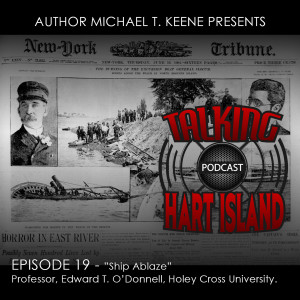
Episode 19 “Ship Ablaze”: with Edward T. O’Donnell,
Professor Holy Cross University.
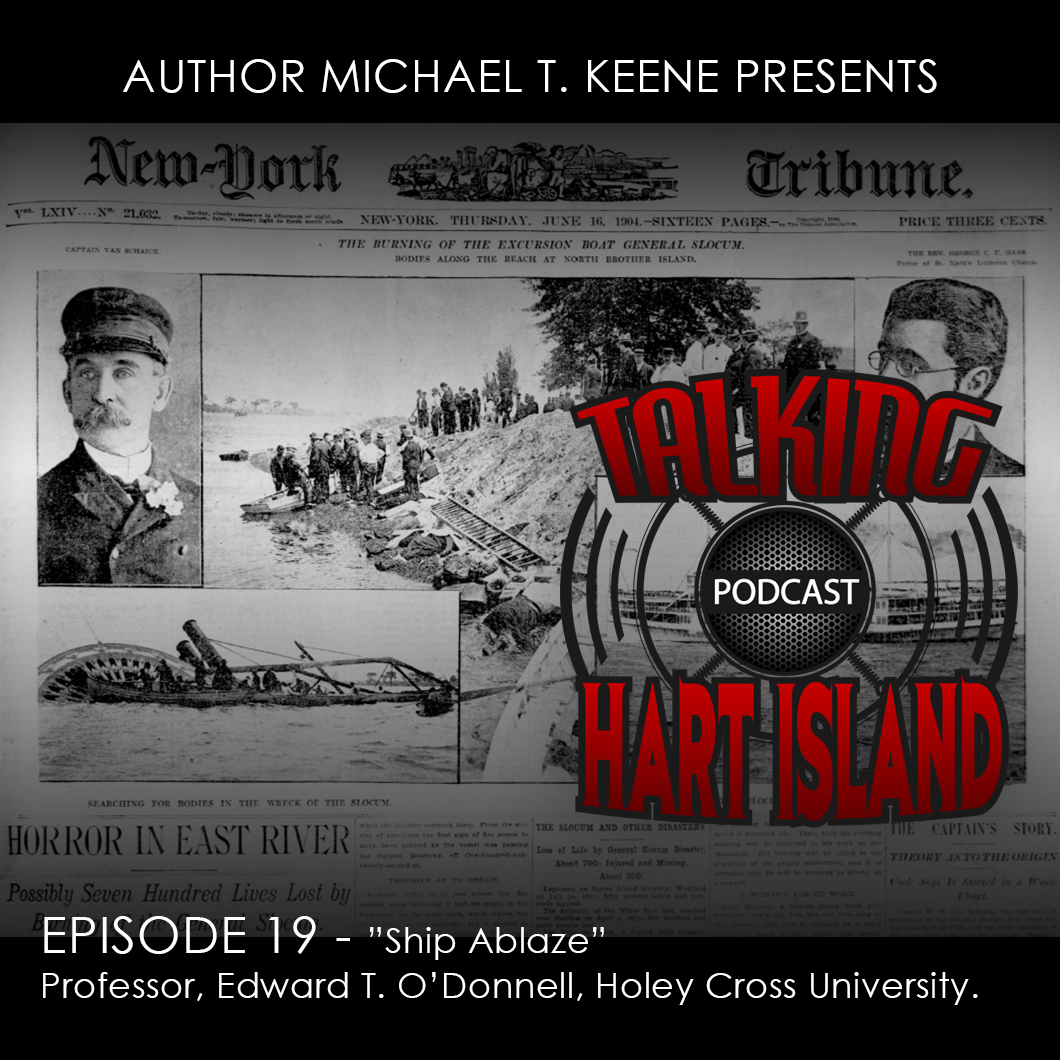 There were few experienced swimmers, among the over 1,300 Lower East Side residents, who boarded the General Slocum on June 15, 1904. It shouldn’t have mattered since the steamship was chartered, only for a languid excursion, from Manhattan to Long Island Sound. But a fire erupted minutes into the trip, forcing hundreds of terrified passengers into the water. By the time the captain found a safe shore for landing, 1021 had perished. It was the worst disaster ever to occur in New York City, until the terrorist attacks, nearly one-hundred years later, on 9/11.
In his book, “Ship Ablaze”, Professor Edward T. O’Donnell draws on firsthand accounts to examine why the death toll was so high and how the city responded.

 Leonard Melfi was revered by his peers as one of the most respected and creative playwrights of his generation. He is most associated with the offbeat La MaMa Experimental Theatre Club, on East 4th Street in New York’s East Village, which produced twenty-two of his plays.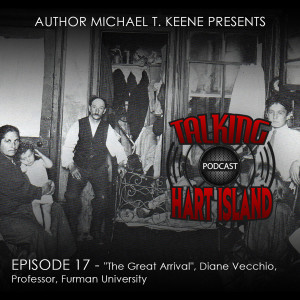
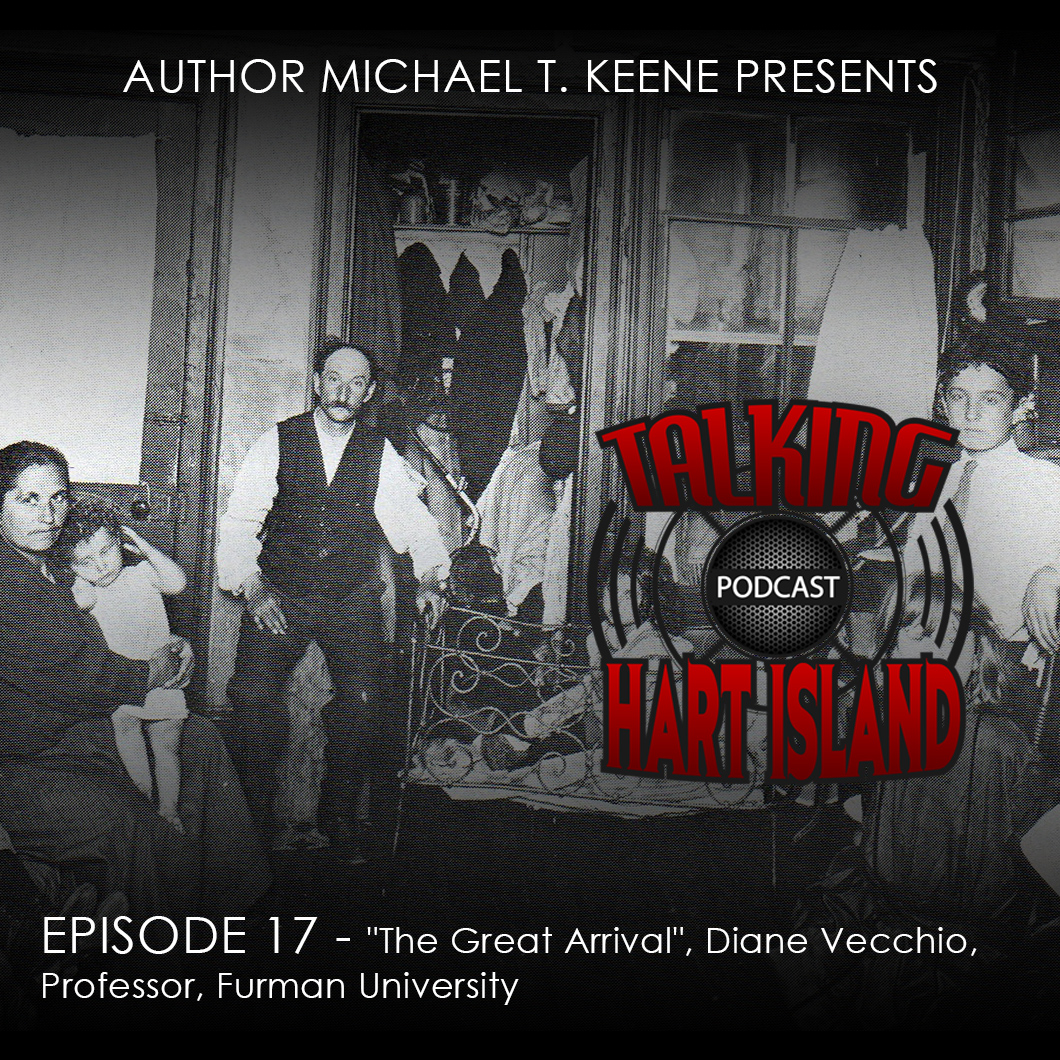 Most of this generation of Italian immigrants took their first steps on U.S. soil in a place that has now become a legend—Ellis Island. In the 1880s, they numbered 300,000; in the 1890s, 600,000; in the decade after that, more than two million. By 1920, more than 4 million Italians had come to the United States, and represented more than 10 percent of the nation’s foreign-born population.
 American film actress Shelia Terry was a true Hollywood starlet of the 1930’s, starring in among other films, three with John Wayne before she ended her life, with an overdose of sleeping pills in 1947.
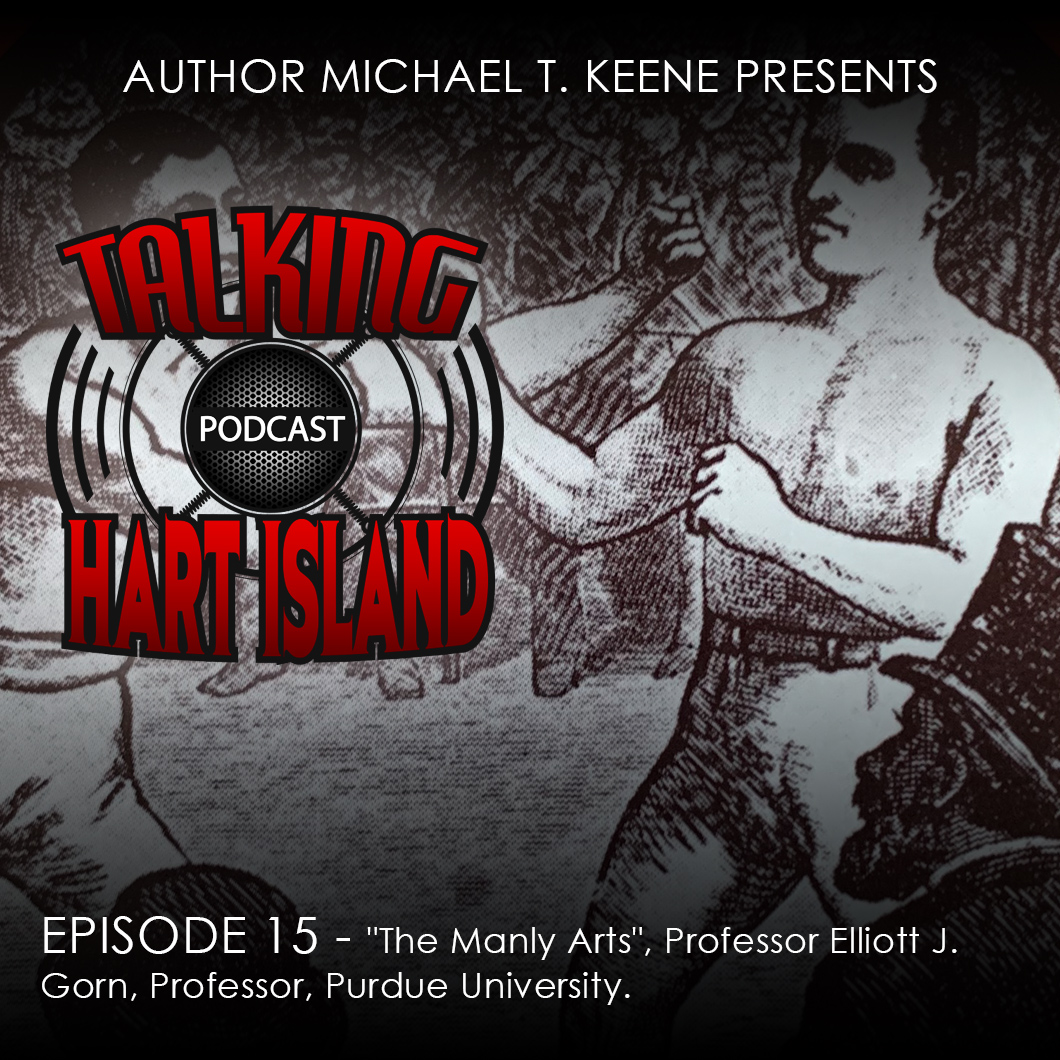 Well before Hart island became New York City’s potters field, Hart Island, or Hart’s Island as it was then called, became a prime tourist destination for every rogue and scoundrel in town, when City officials banned boxing. Overnight, the ban turned the island into one of New York’s premier pugilism venues.
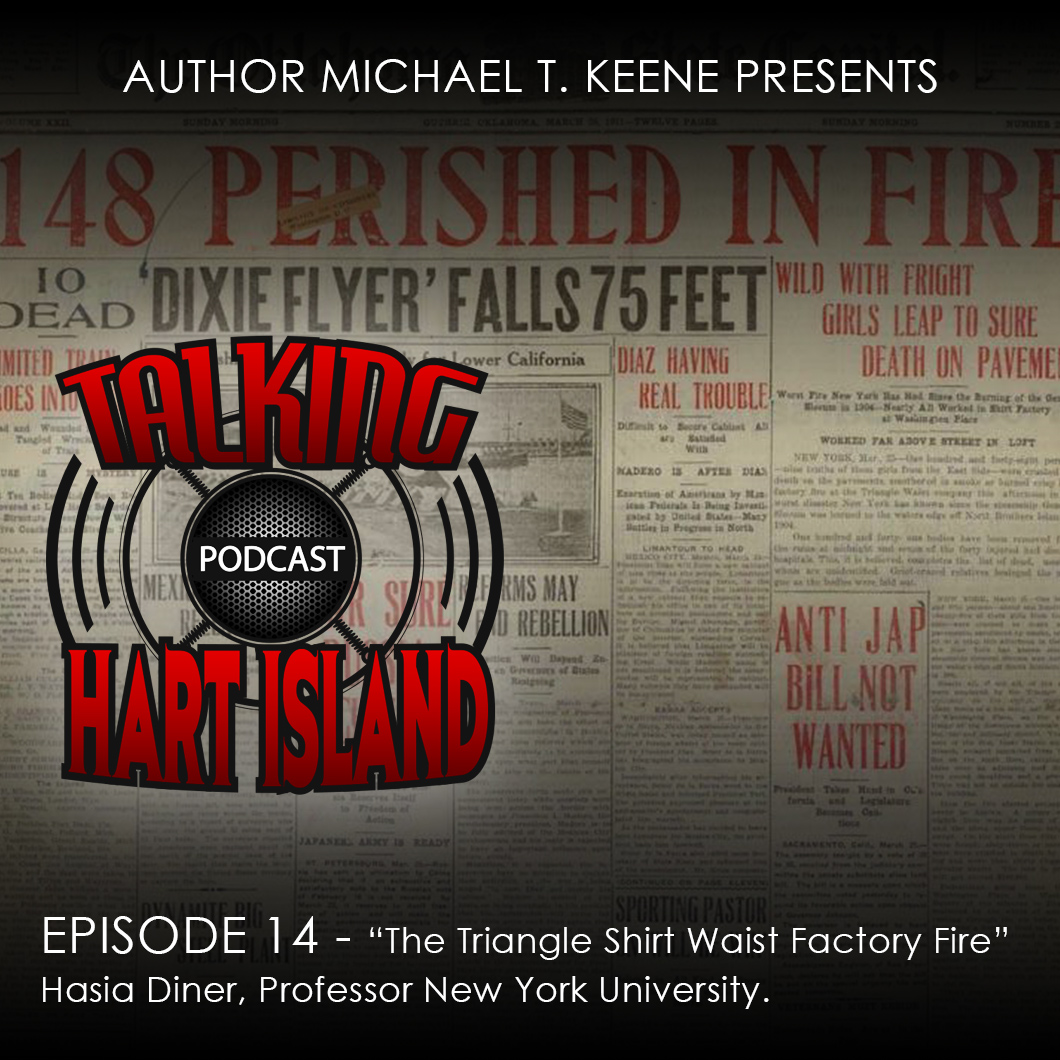 As historian Robert Hughes notes, “The Tenth Ward of Lower Manhattan—the Lower East Side—had by the 1890’s, the highest concentration of people in the world: 344,000 people packed into one square mile, or nine square yards each, including street and pavement space.” There were, it was thought, 11,000 sweatshops turning out clothing, cigars, furniture, and tin ware. One of those sweatshops was the Triangle Shirt Waist Factory.
 She lay on the floor for three days. A slip and fall had rendered her helpless, at the mercy of fate as neighbors came and went just feet from her door. Ii was the mailman who became concerned, she had not been picking up mail, who finally called 911.
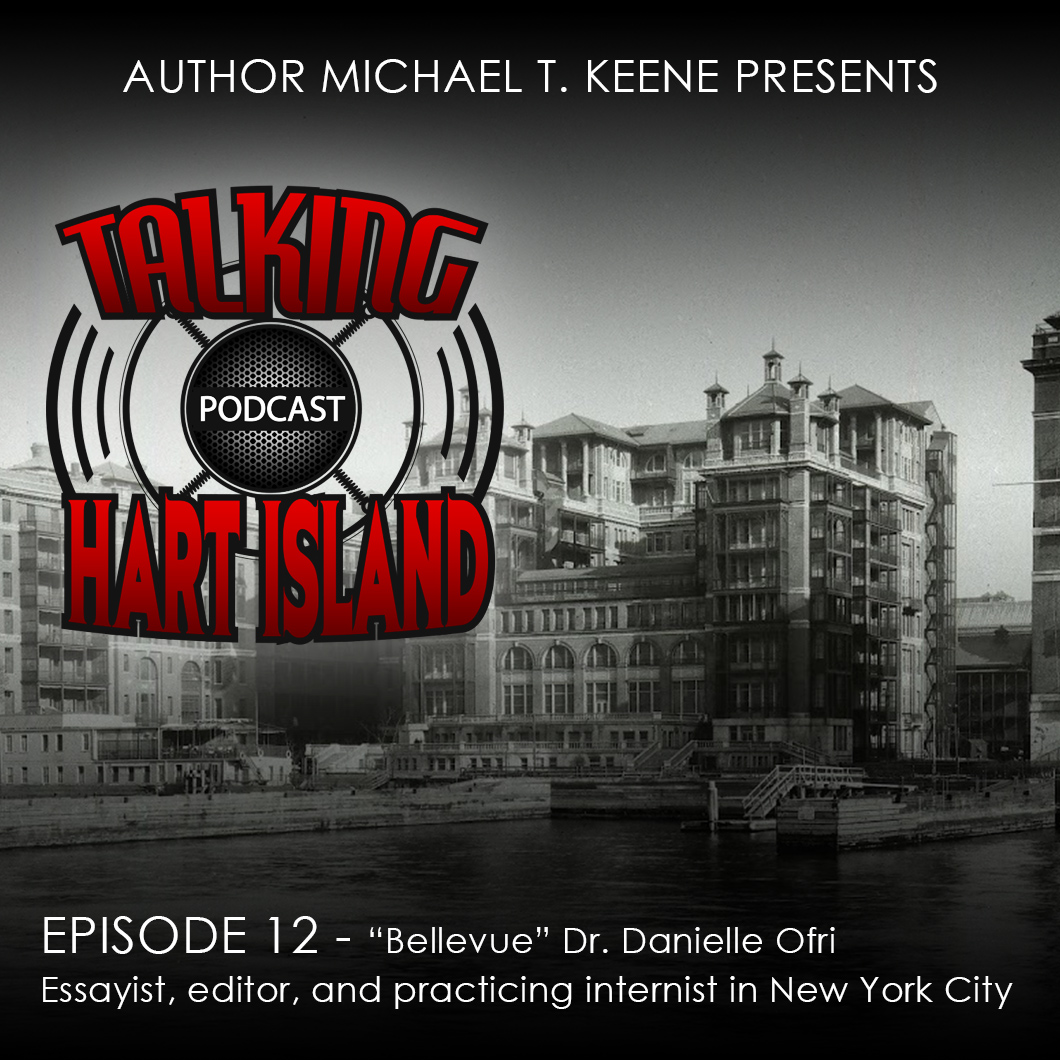 How exactly did bodies end up on Hart Island? Their first stop use to be the Bellevue Hospital Morgue.
 Does the name Dawn Powell mean anything to you? I thought so. But you’re not alone.
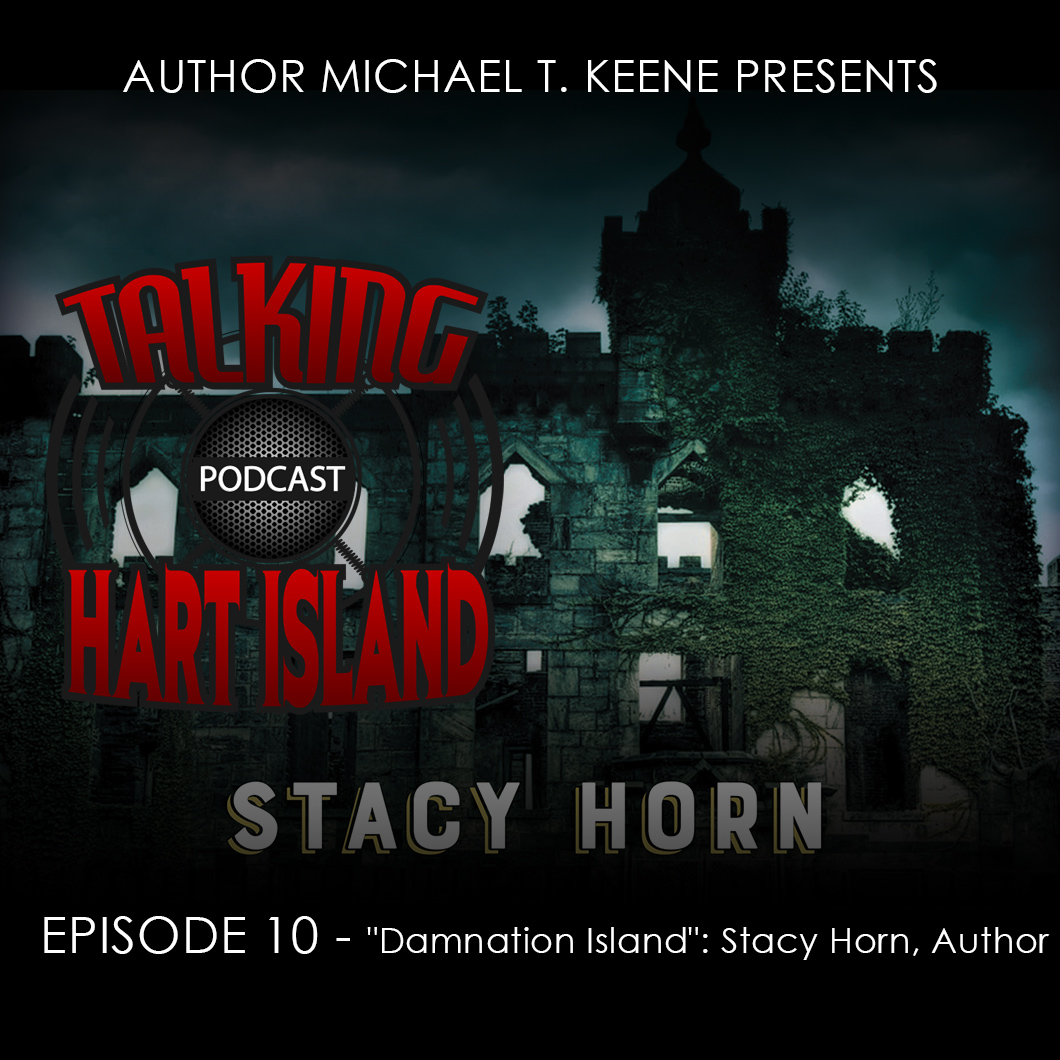 Purchased by the city in 1828, the island soon harbored an almshouse, an insane asylum, a hospital, a prison and a workhouse along its narrow two-mile strip. Heating and ventilation were nonexistent, disease ran rampant. Over the next 100 years, mayhem ensued, with wrongly admitted patients, death by murder and disease, inedible food and unspeakably dirty water.