

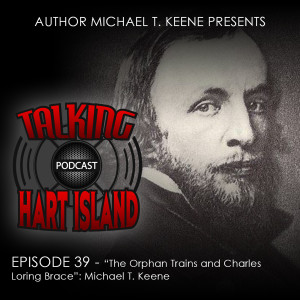
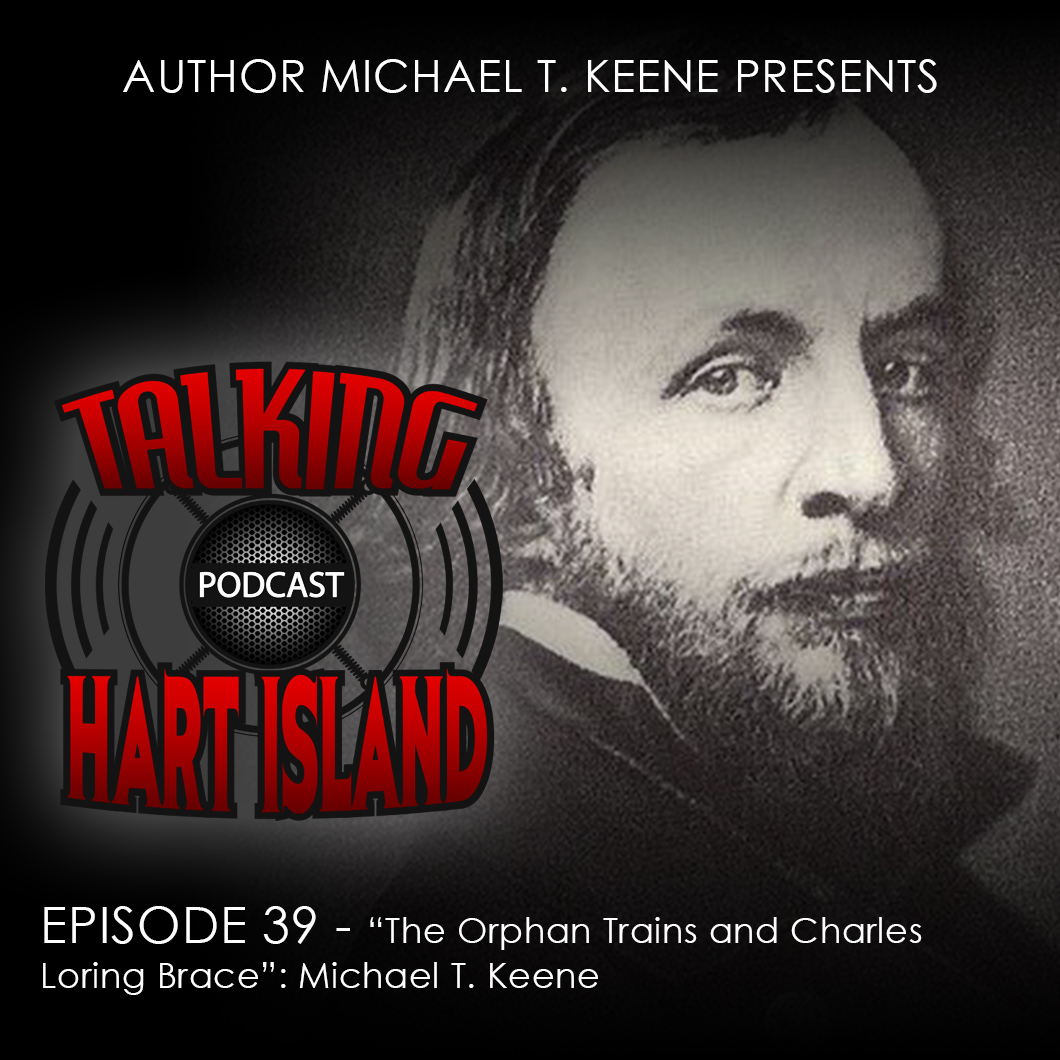
 In 1848 Ireland was gripped by famine. Nearly a million people would die of starvation and typhoid Fever. Desperate for survival a million more Irish would abandon their homeland and come to America. Many settled in the Five Points section of lower Manhattan infamous for its squalor, violence and disease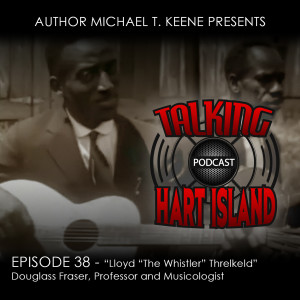
Episode 38 “Lloyd “The Whistler” Threlkeld”: with Douglass Fraser,
Professor and Musicologist.
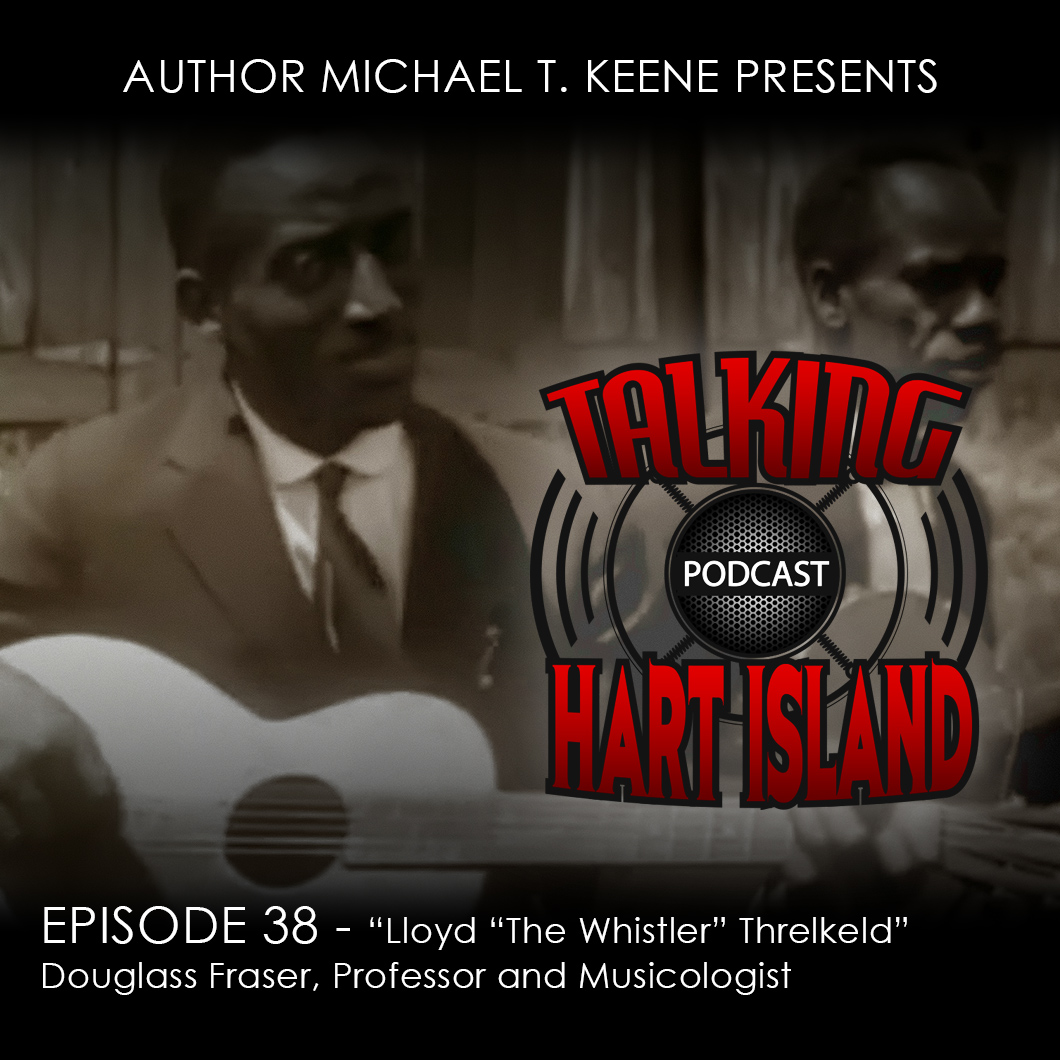 Lloyd Buford Threlkeld, also known as “The Whistler” for his ability to make sweet melodious sounds emerge from his practiced nose flute, also played the guitar and sang. “Whistler and his Band” was one of the most famous jug bands of its time.
Threlkeld was born in Kentucky and in 1932 moved to Harlem in New York City. He continued performing, but had stopped recording. In May of 1935 he was admitted to Bellevue Hospital with tuberculosis where he died, later that year. He was without family or friends and, like thousands before and since in similar circumstances, was buried on Hart Island.
Listen to Professor Douglass Fraser as he takes us on a musical tour of not only jug band music, but also jazz and rock in-roll, which incredibly owed their very origins to this pioneering music.
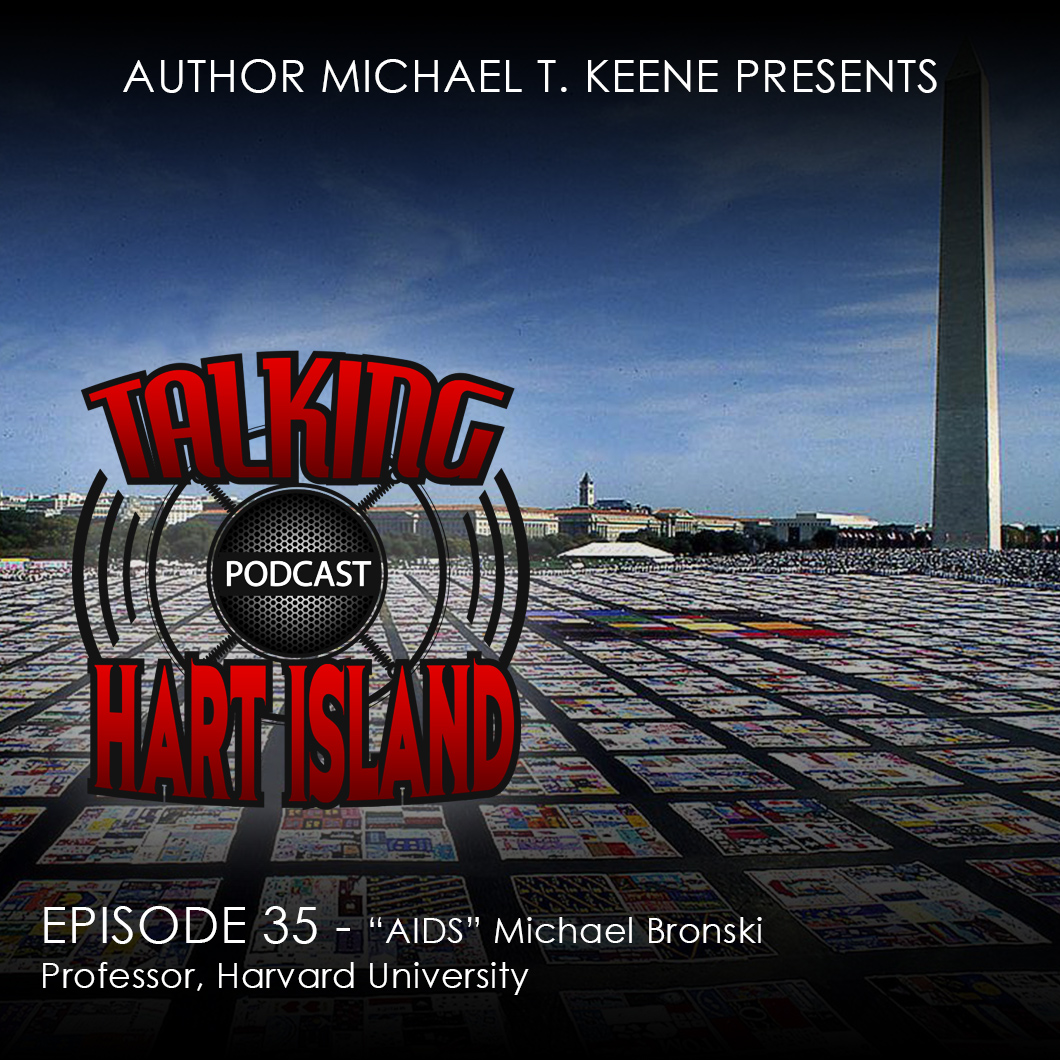
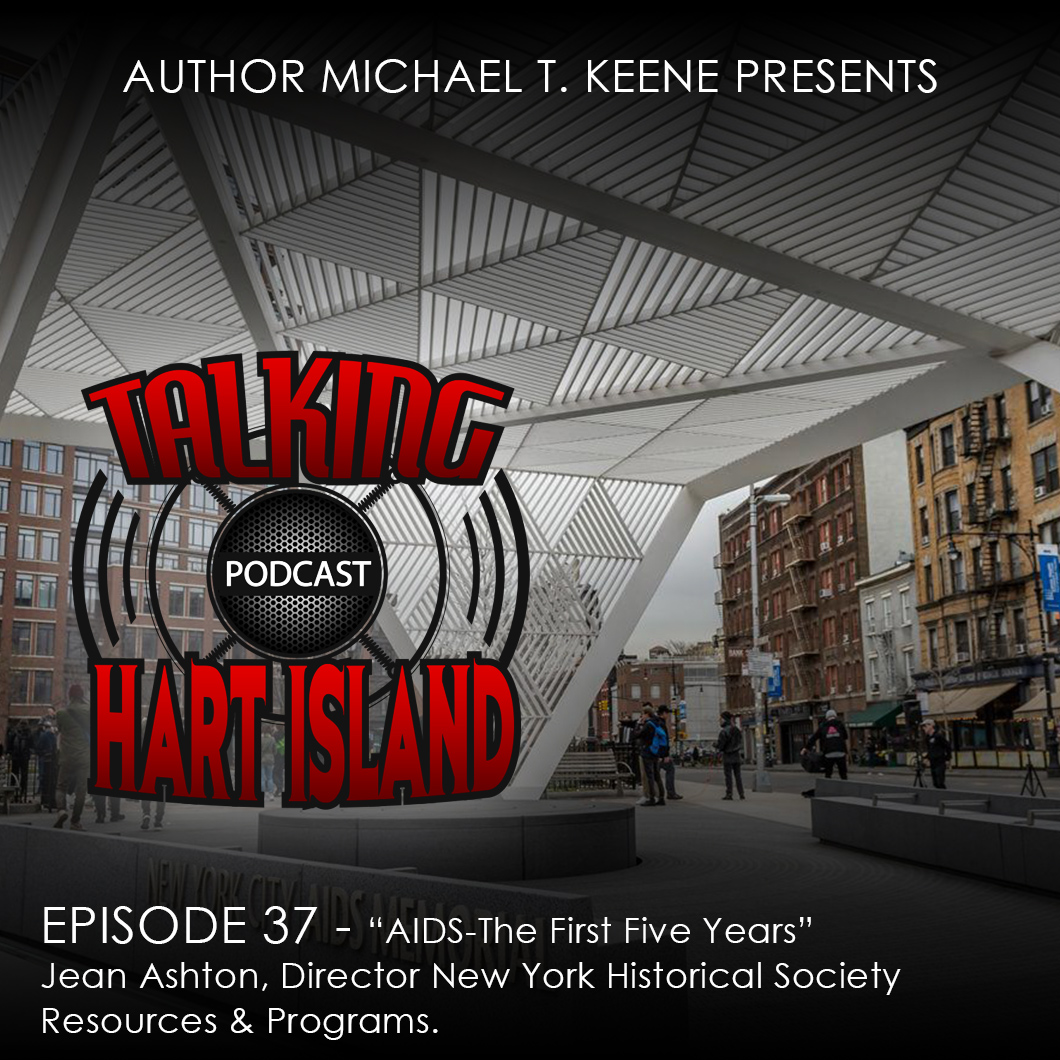 It is estimated that during the AIDS epidemic thousands of AIDS victims were buried on Hart Island. Many because they had become disowned by their family and died unclaimed, and many more because there was no one left to take charge of their burials.
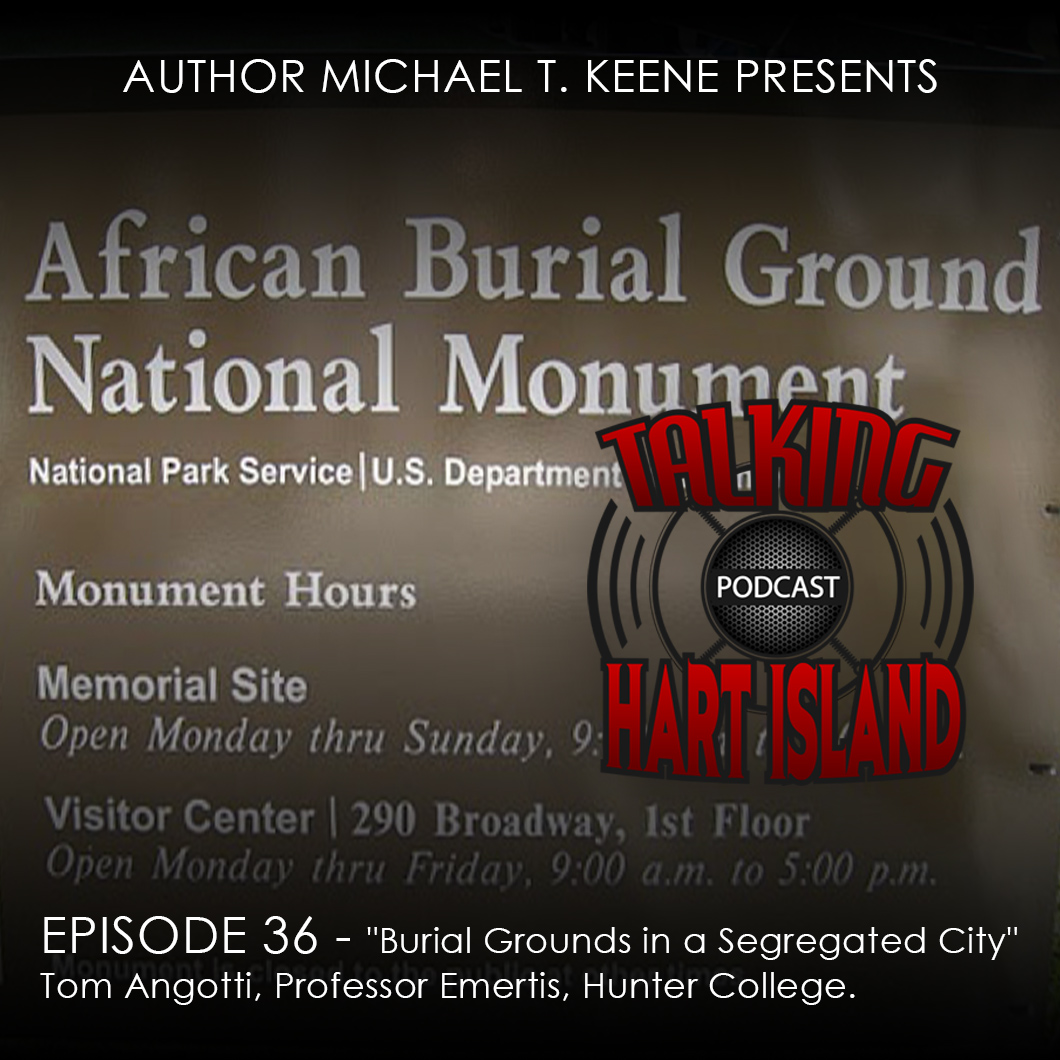 During the period of Dutch and English settlement, New York City was one of the nation’s largest urban centers for the slave trade and served as a financial patron, of the plantation economy, in the South. In the Dutch colony, as many as 40 percent of the population were slaves.
 On a hot midsummer night in June of 1969, a group of police officers stormed into Greenwich Village’s tiny Stonewall Inn, one of Manhattans early gay and lesbian bars. The patrons of Stonewall revolted. For many this confrontation would eventually become known as the Gay Liberation Movement.
 Leo Birinski was a playwright, screenwriter and director. He worked in Austria-Hungary, Germany and in the United States.
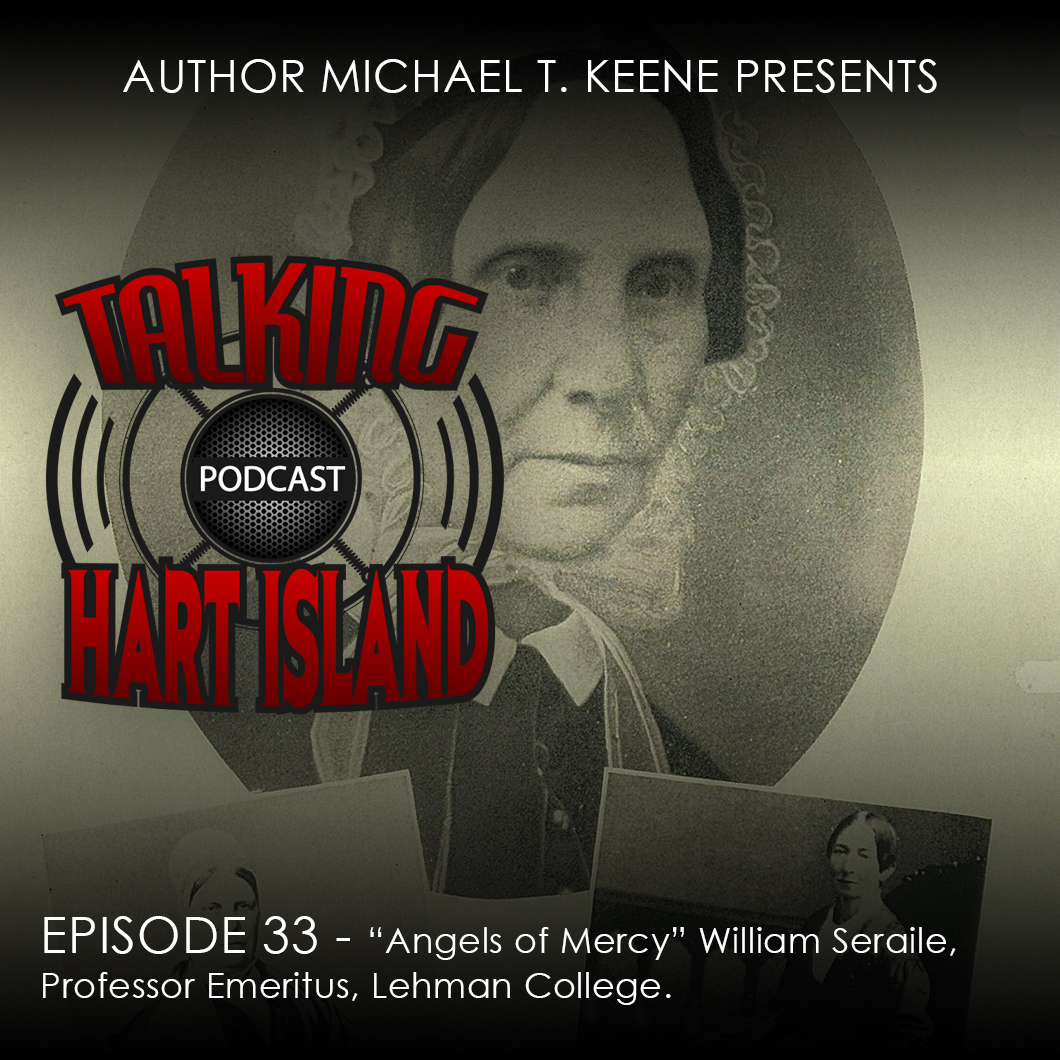 The Colored Orphan Asylum was founded, in New York City in 1836, as the nation’s first orphanage for African American children. The agency weathered three wars, two major financial panics, a devastating fire during the 1863 Draft Riots (in which over 120 people died and 2,000 injured), several epidemics, waves of racial prejudice, and severe financial difficulties, to care for orphaned, neglected and delinquent children. Incredibly, although African Americans inmates from Rikers Jail are the primary “grave diggers” on Hart Island, there is no evidence that there was, until very recently, any African Americans actually buried on Hart Island.
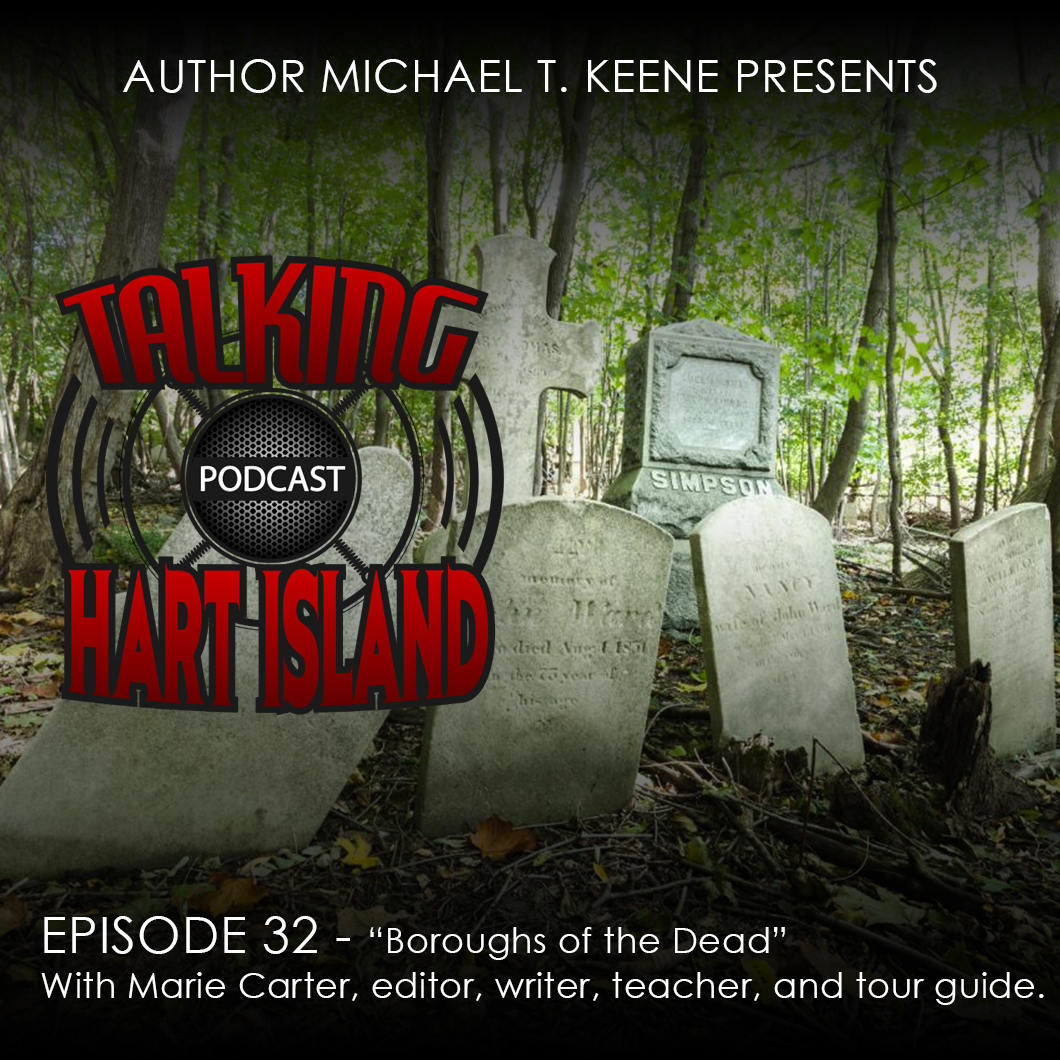 When detectives and forensic scientists were called to investigate the Hart Island human remains, found littering its beach, none of them could have known they had been probably treading on additional mass graves, hidden beneath New York City’s parks, buildings, and sidewalks.
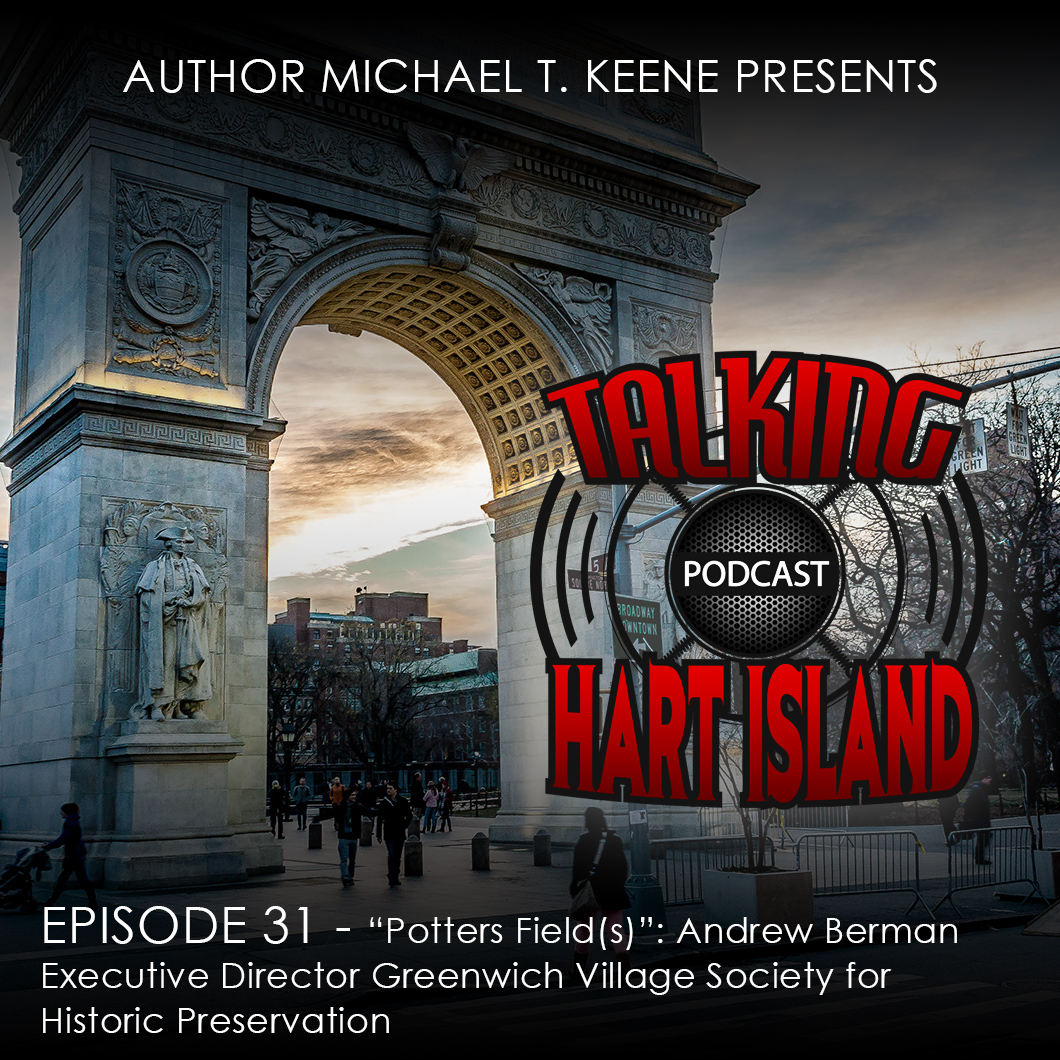 By the early 1800’s New York City boasted a population of over 200,000, qualifying it as the largest city in the Western Hemisphere. As New York City’s population grew, so did its number of dead. The fact that the number of interred, in Trinity Church’s graveyard in 1822, was estimated at 120,000 was just that, an estimate!
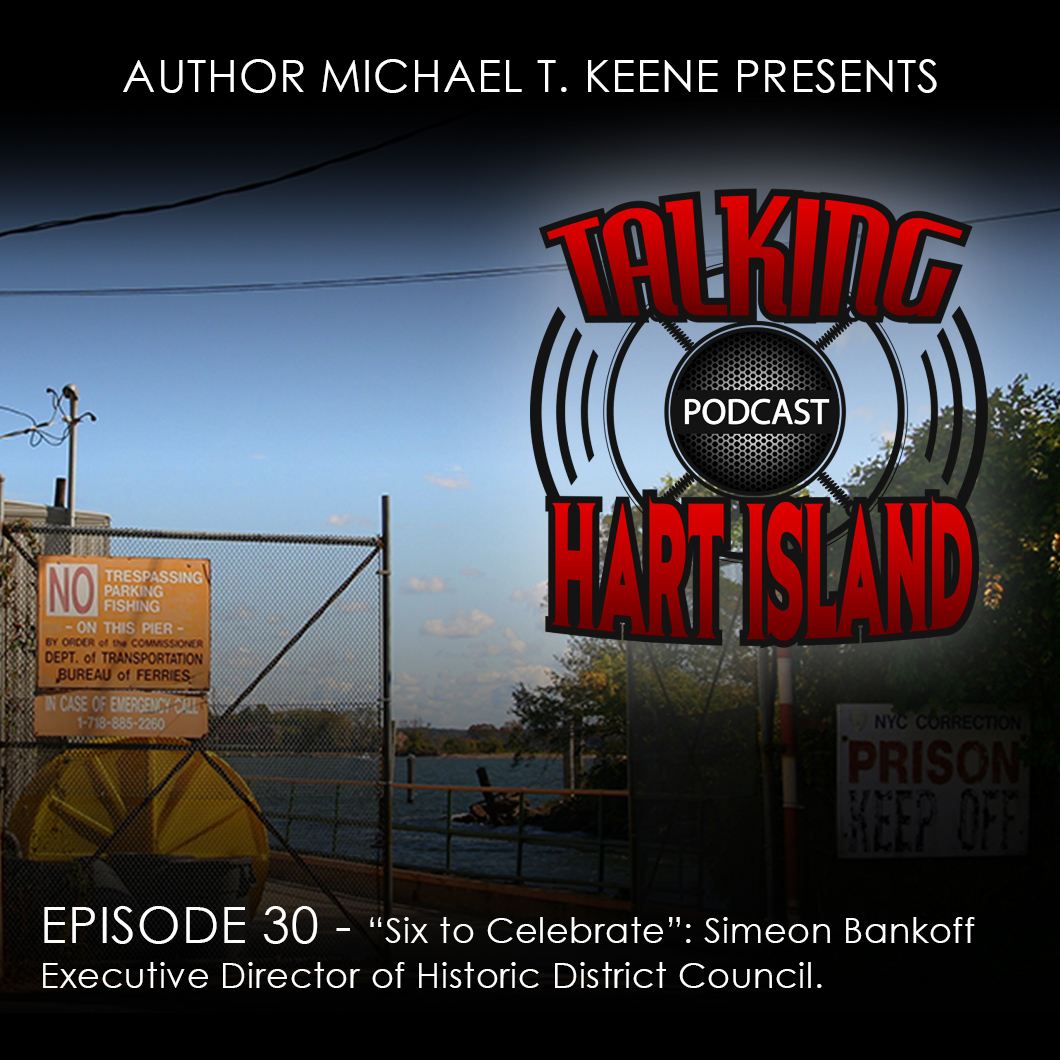 In 2017 the annual “Six to Celebrate” initiative from the Historic Districts Council, highlighted six neighborhoods in New York City, in need of preservation attention: Hart Island, the city’s potter’s field which contains the mass grave of over one million people, was an unexpected addition to the list.